How to Build a Full-Funnel Marketing Strategy That Convert
Introduction
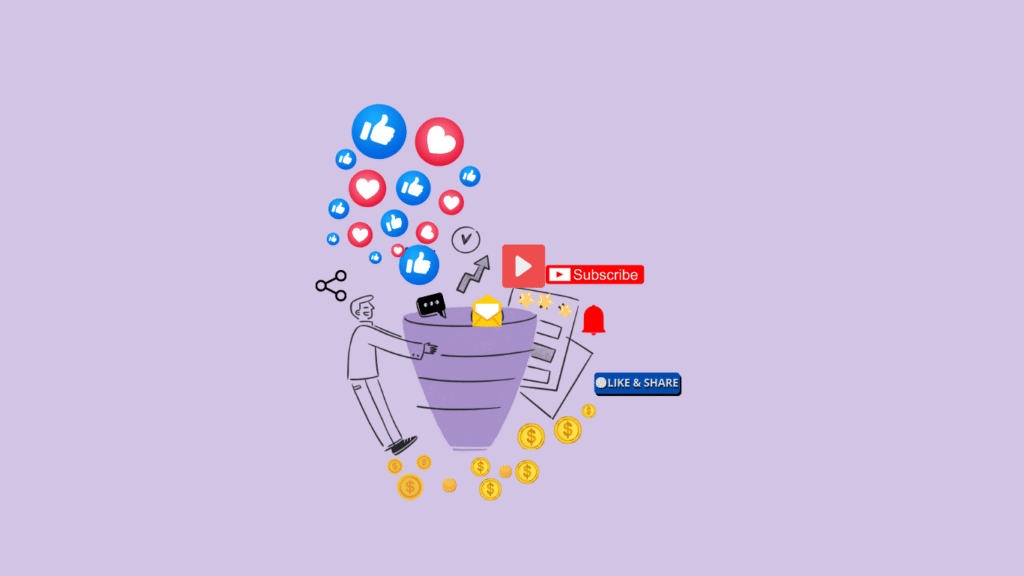
In today’s competitive digital space, having just a social media presence or running random ads is no longer enough. To truly drive growth, businesses must adopt a full-funnel marketing strategy—a structured approach that guides potential customers from awareness to conversion and beyond. A well-crafted funnel doesn’t just attract leads; it nurtures them, builds trust, and ultimately turns them into loyal customers.
Here’s a step-by-step guide on how to build a full-funnel marketing strategy that actually converts.
1. Understand the Funnel Stages
Before you build, you need clarity. A marketing funnel typically has three key stages:
- Top of the Funnel (TOFU – Awareness): At this stage, prospects don’t know your brand yet. The goal is to grab attention and build awareness.
- Middle of the Funnel (MOFU – Consideration): Here, prospects are exploring options and comparing solutions. You need to educate and nurture.
- Bottom of the Funnel (BOFU – Conversion): This is where prospects are ready to buy. Strong calls-to-action and irresistible offers push them to convert.
- Post-Purchase (Loyalty & Advocacy): Beyond the funnel, your job is to turn customers into repeat buyers and brand advocates.
2. Define Your Audience & Buyer Personas
Every funnel begins with knowing who you’re targeting.
- Research demographics, behaviors, pain points, and goals.
- Build detailed buyer personas (e.g., “Ravi, 28, small business owner in Kerala, struggling with online visibility”).
- Use tools like Google Analytics, social media insights, and surveys to refine your audience understanding.
3. Craft Content for Each Stage of the Funnel
🔹 TOFU (Awareness):
- Blog posts, social media videos, infographics, podcasts
- SEO-optimized content to attract organic traffic
- Paid ads for reach (Facebook, Instagram, Google Display)
🔹 MOFU (Consideration):
- Case studies, webinars, comparison guides, email nurturing sequences
- Retargeting ads reminding prospects about your product
- Social proof like testimonials and reviews
🔹 BOFU (Conversion):
- Free trials, demos, limited-time offers, discounts
- Strong CTAs on landing pages
- Personalized email campaigns with urgency triggers
🔹 Post-Purchase:
- Loyalty programs, referral campaigns, feedback surveys
- Educational content to help them use your product better
- Community building through WhatsApp/Telegram groups or social media
4. Use the Right Channels Strategically
Each stage requires different platforms:
- TOFU → Social media, SEO, YouTube, influencer marketing
- MOFU → Email marketing, retargeting ads, content downloads
- BOFU → Landing pages, sales calls, WhatsApp/DM conversations
- Loyalty → CRM automation, SMS/email campaigns, exclusive offers
5. Leverage Marketing Automation & Personalization
Automation ensures prospects move smoothly through the funnel.
- Use CRM tools (HubSpot, Zoho, Mailchimp) to track leads.
- Segment audiences based on behavior (e.g., cart abandoners get a discount email).
- Personalize messaging—consumers expect content that speaks directly to their needs.
6. Measure & Optimize the Funnel
No funnel is perfect the first time. Track and refine:
- Key Metrics: CTR, conversion rate, cost per lead, customer lifetime value (CLV).
- Use A/B testing on ad creatives, landing pages, and CTAs.
- Eliminate friction points (slow-loading website, complicated checkout).
7. Don’t Forget Retention & Advocacy
Acquiring new customers is costly; retaining them is more profitable.
- Send thank-you emails and after-sales support.
- Encourage reviews and referrals with small rewards.
- Create brand advocates—happy customers who spread the word organically.
Conclusion
Marketing tactics may shift with trends, but a full-funnel strategy remains the key to consistent conversions. From creating awareness to nurturing leads and driving sales, each stage helps turn prospects into loyal customers. As Nithya K, a freelance digital marketer, I believe a well-structured funnel is not just about attracting leads but about building lasting relationships that drive real business growth.
Leave a Comment